
No items found.
Balancing tradition and innovation through adaptable planning, social diversity, and environmental integration in the Negev.
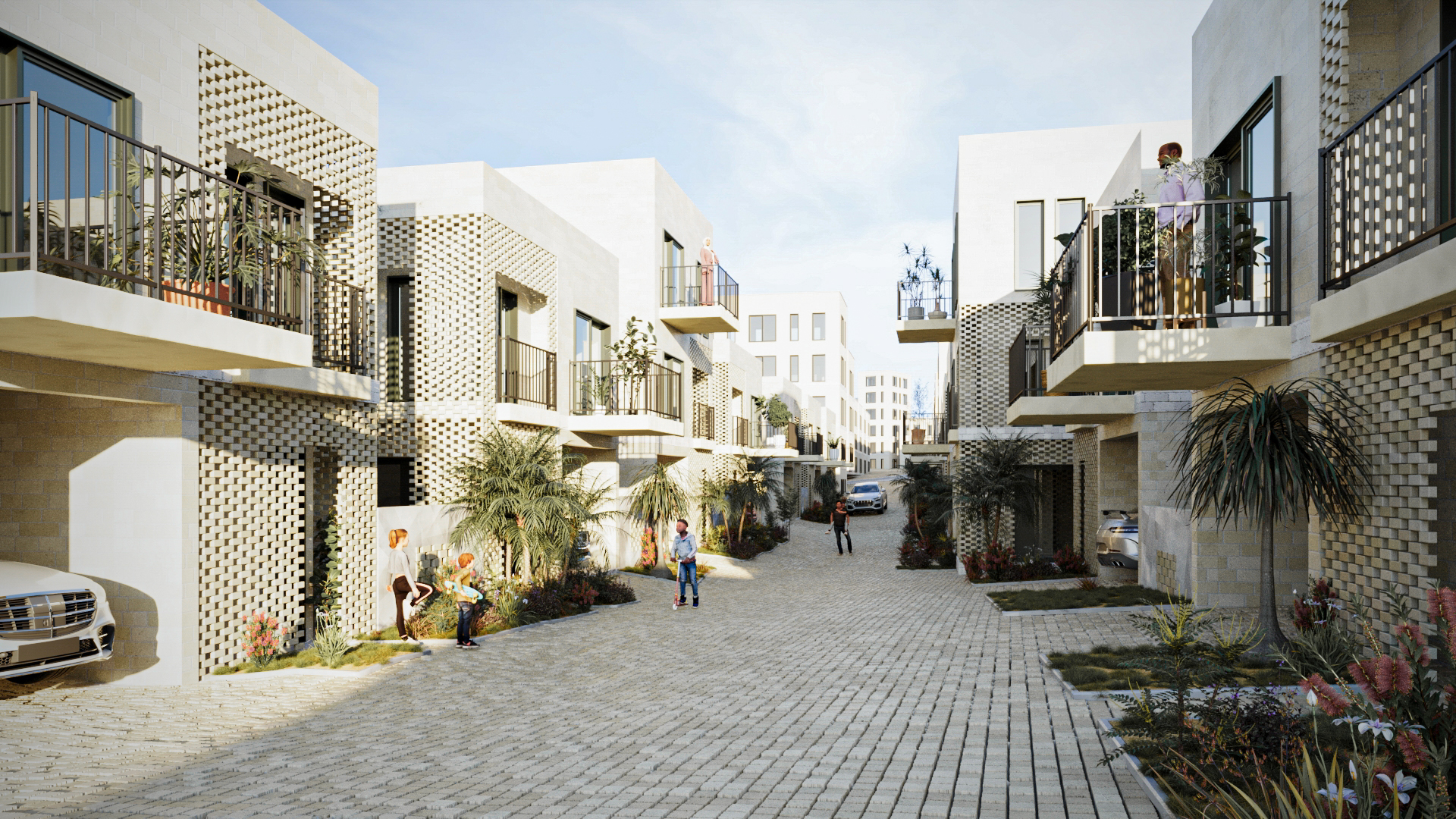
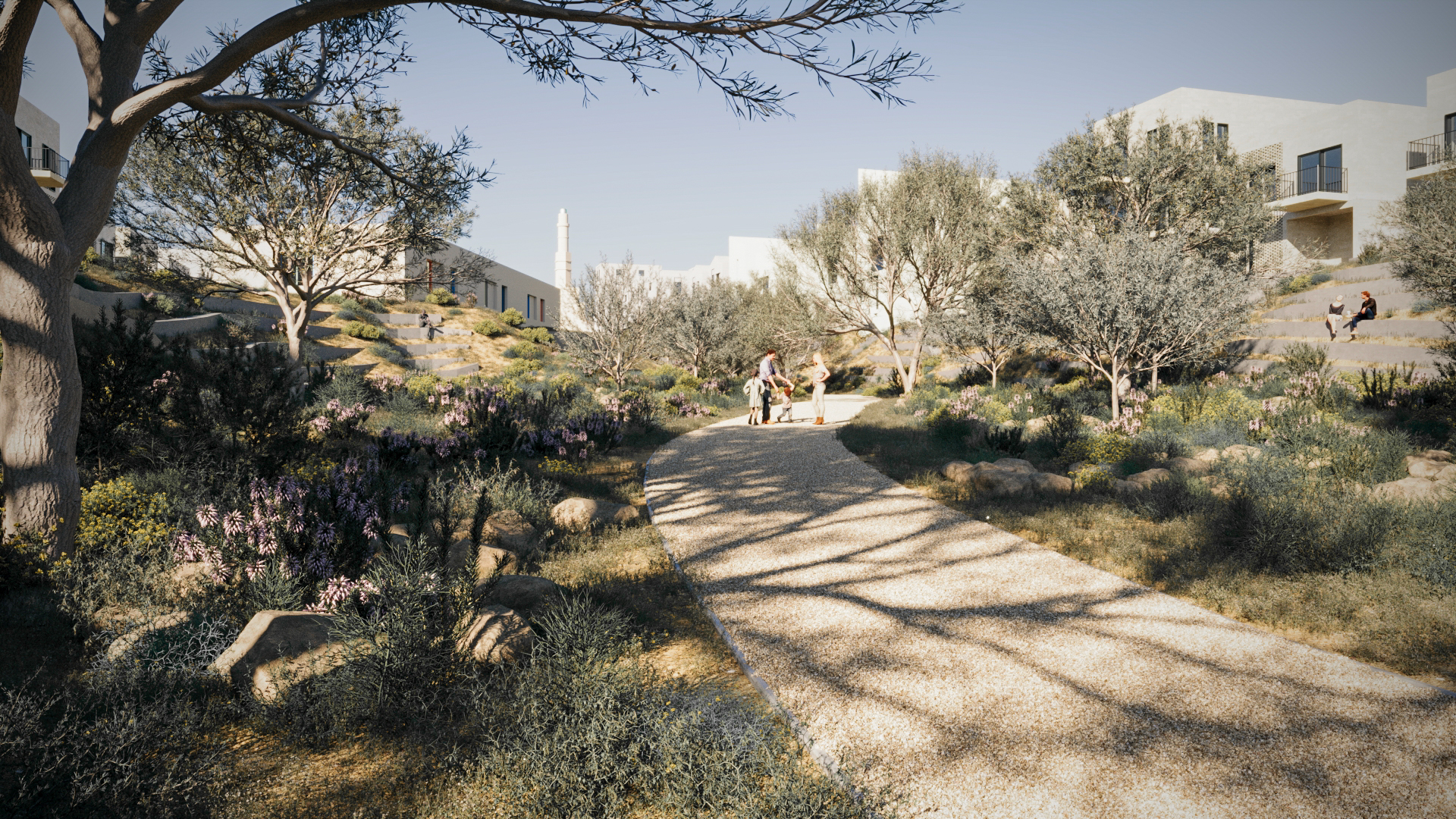
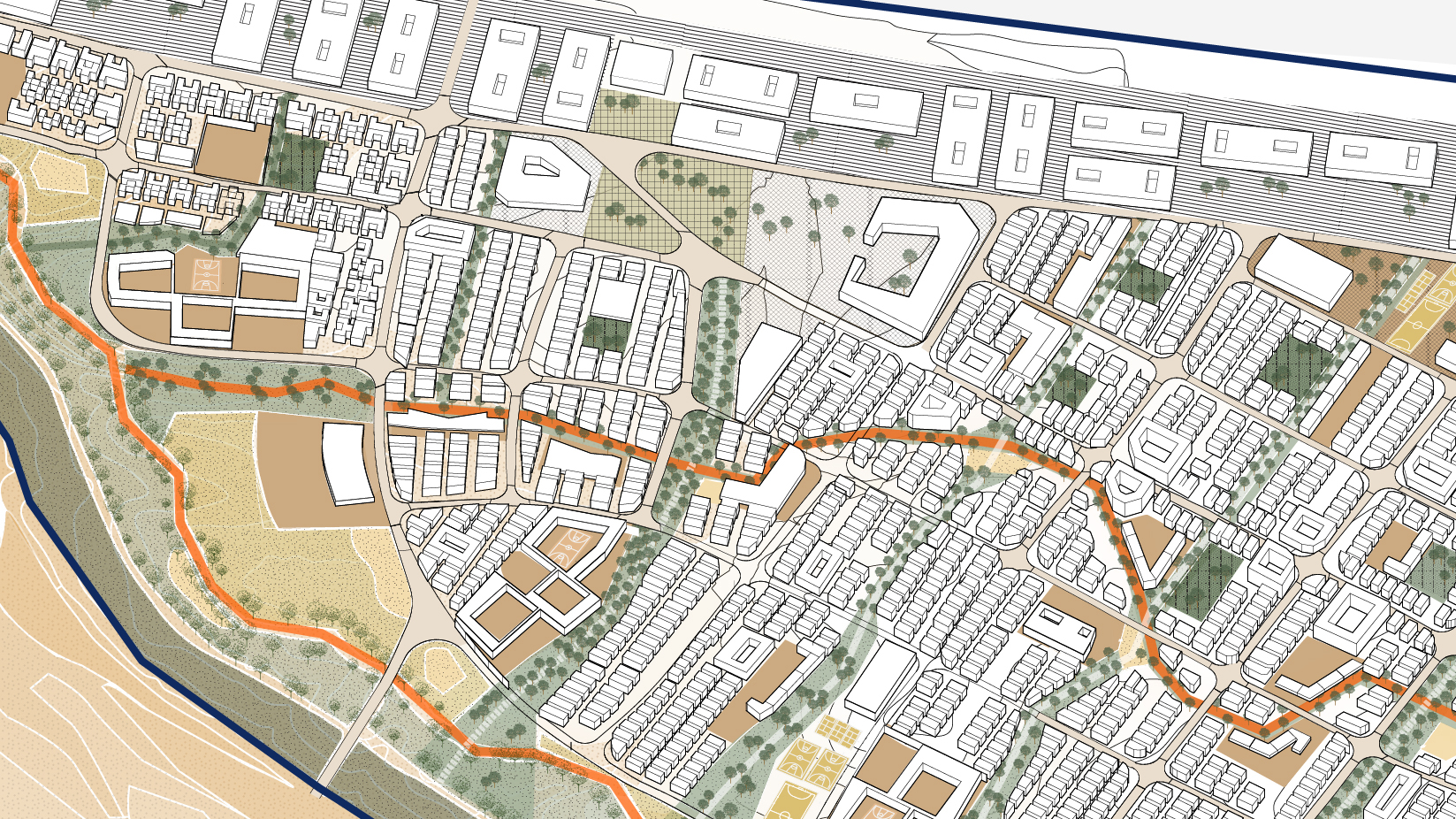
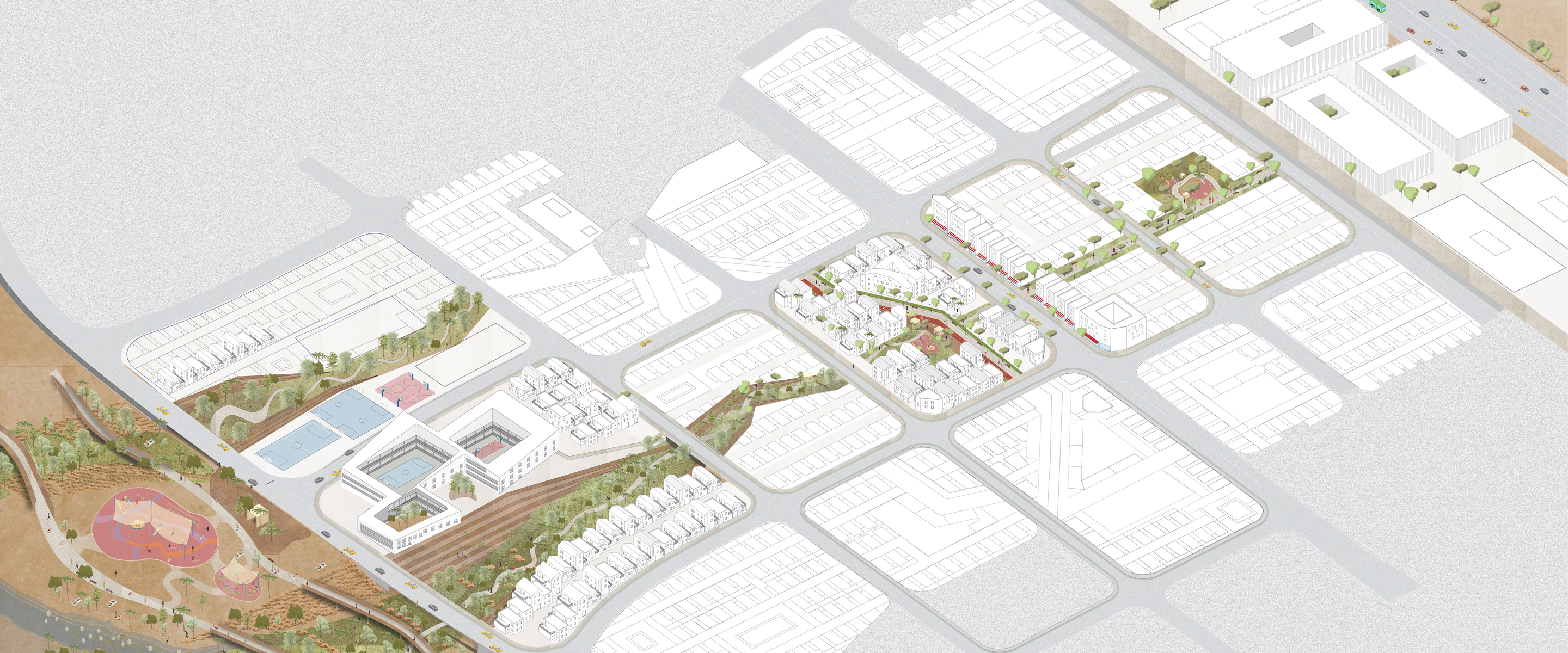
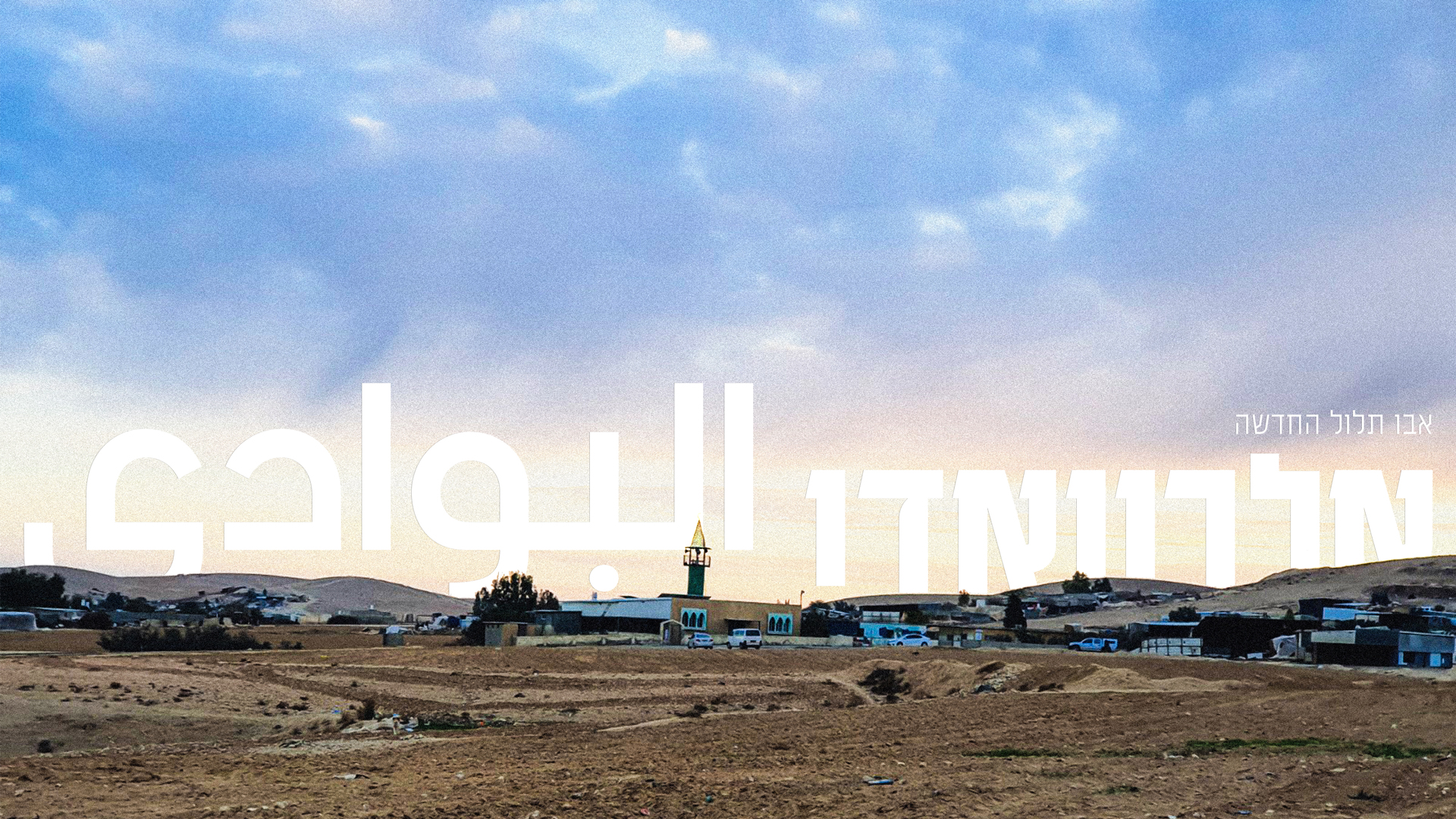
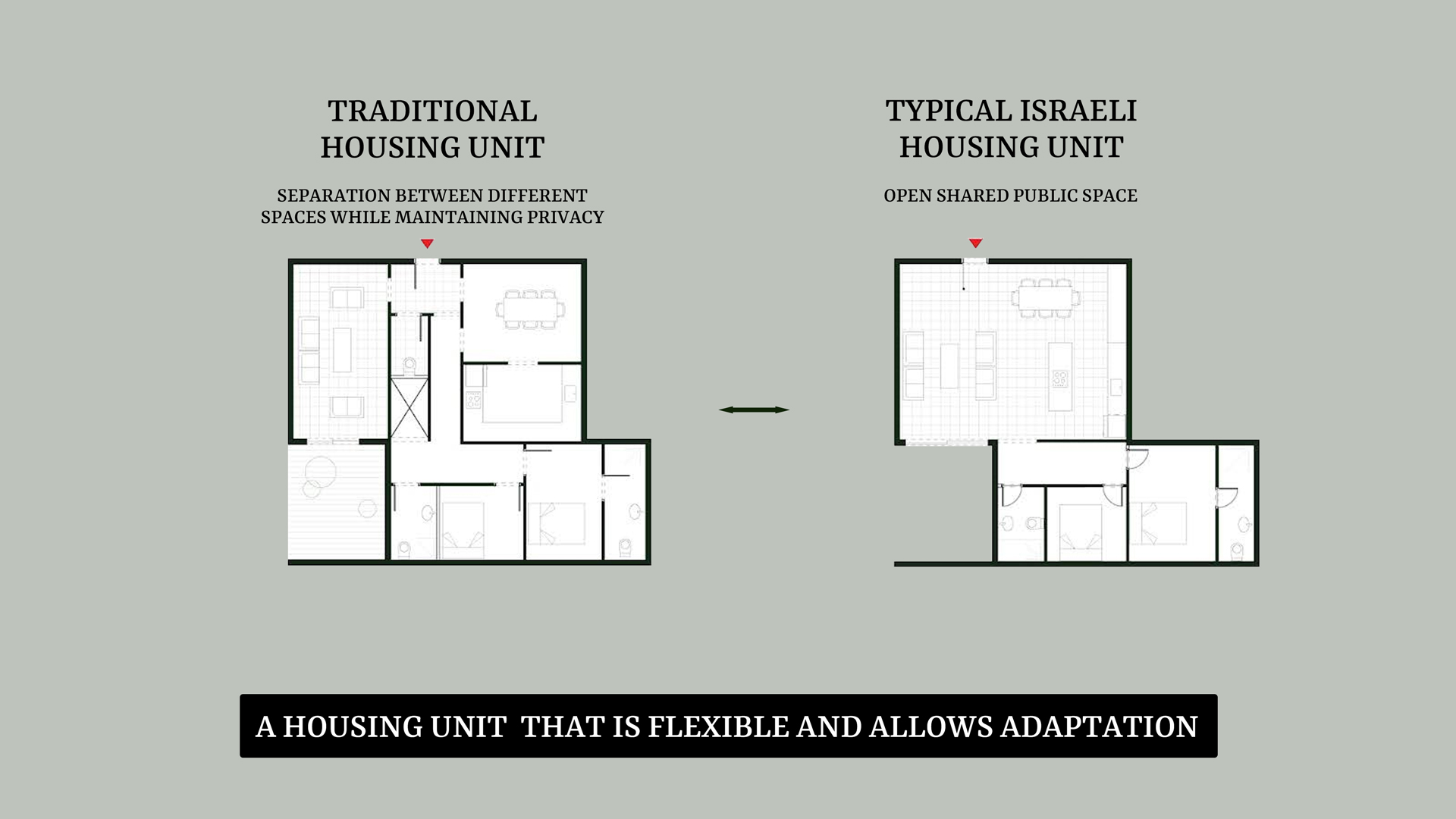
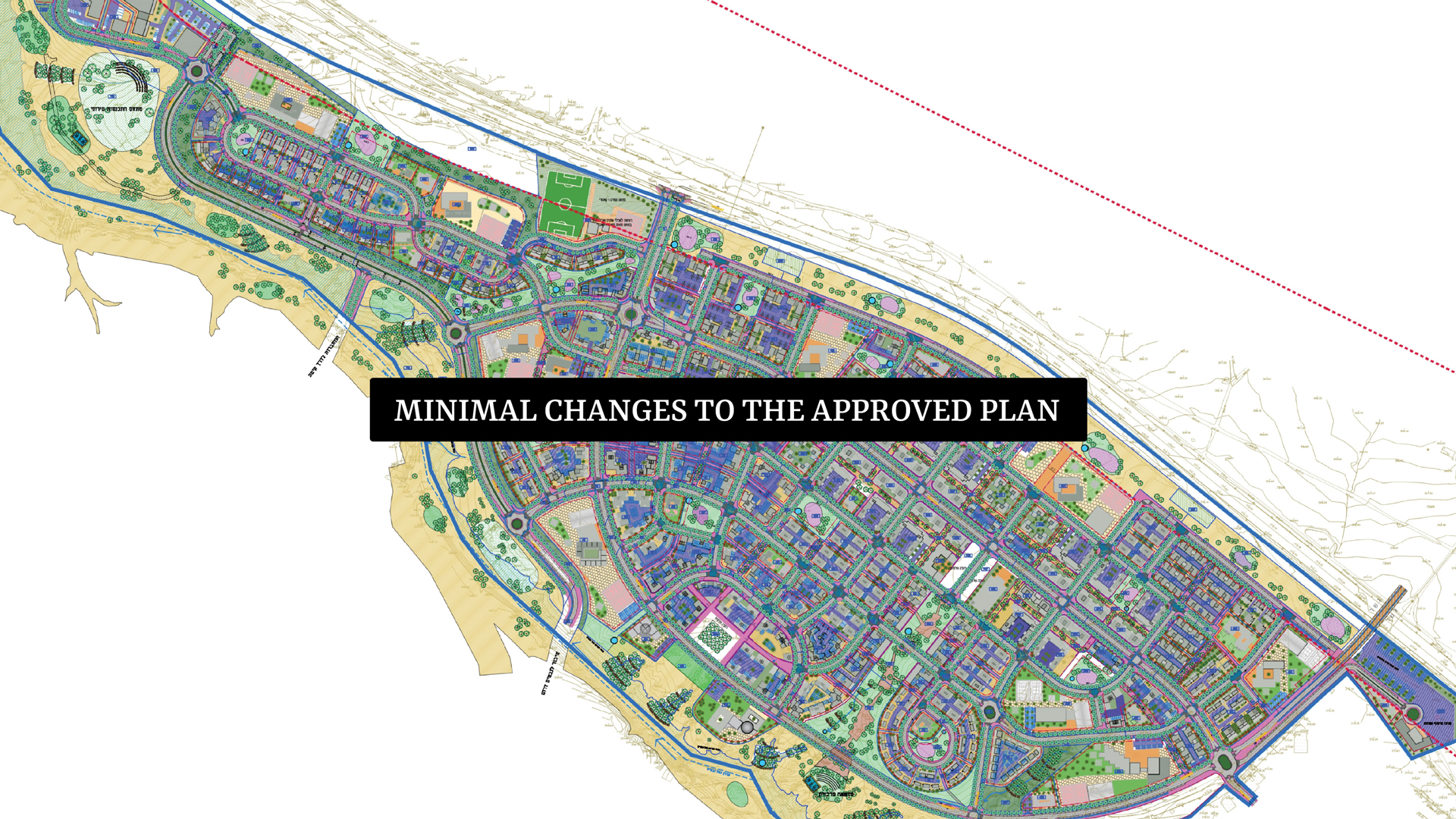
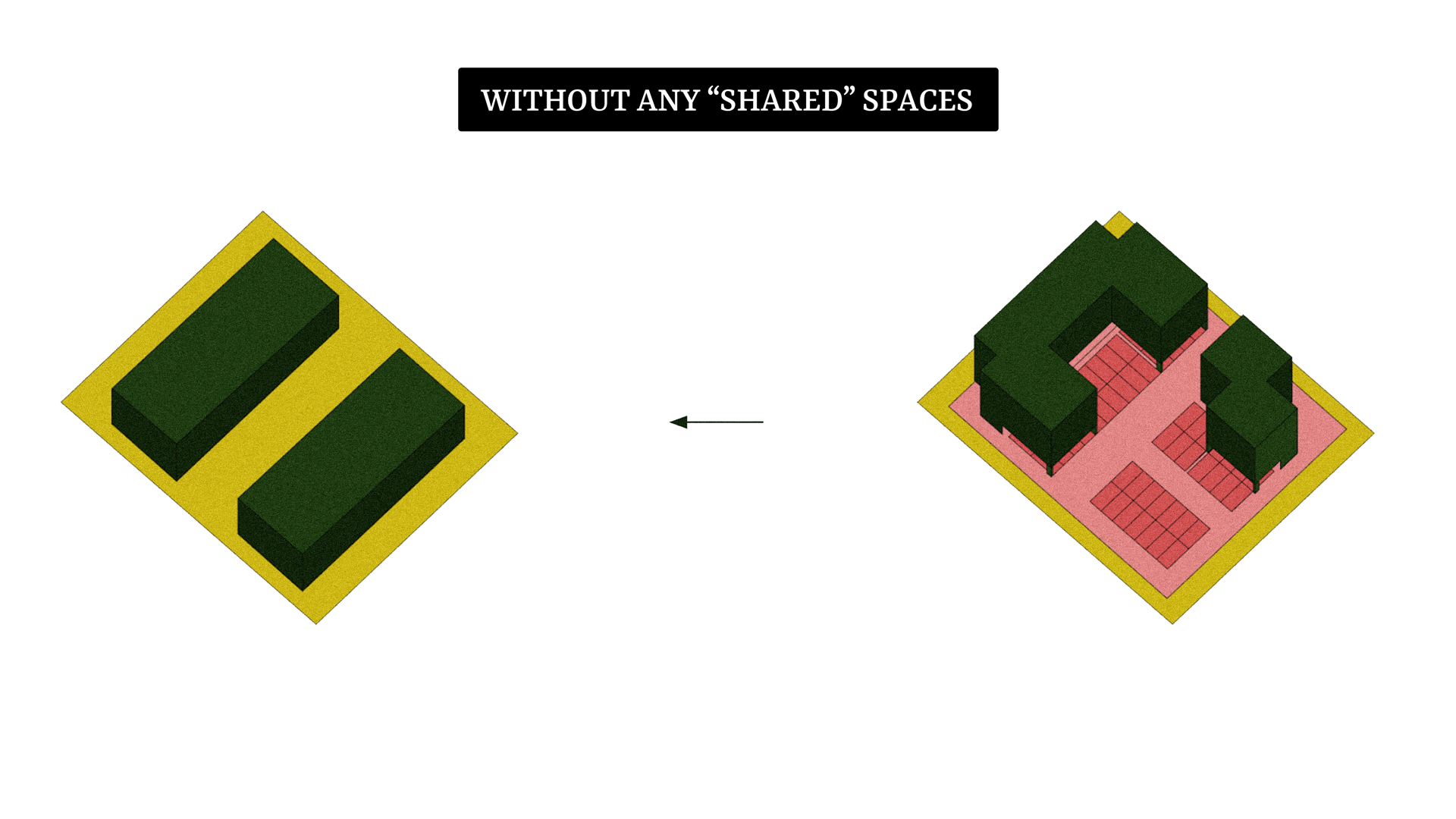
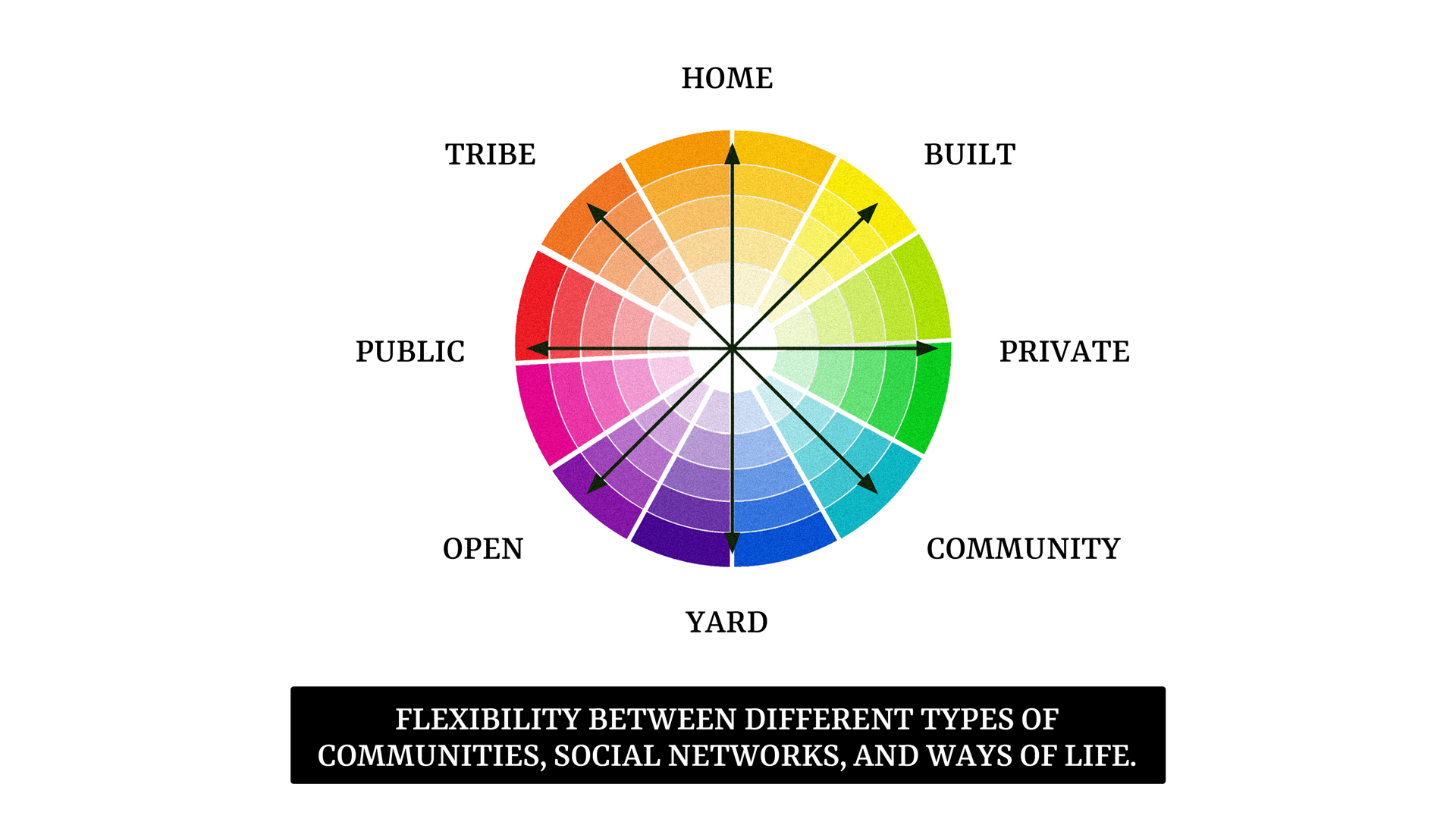
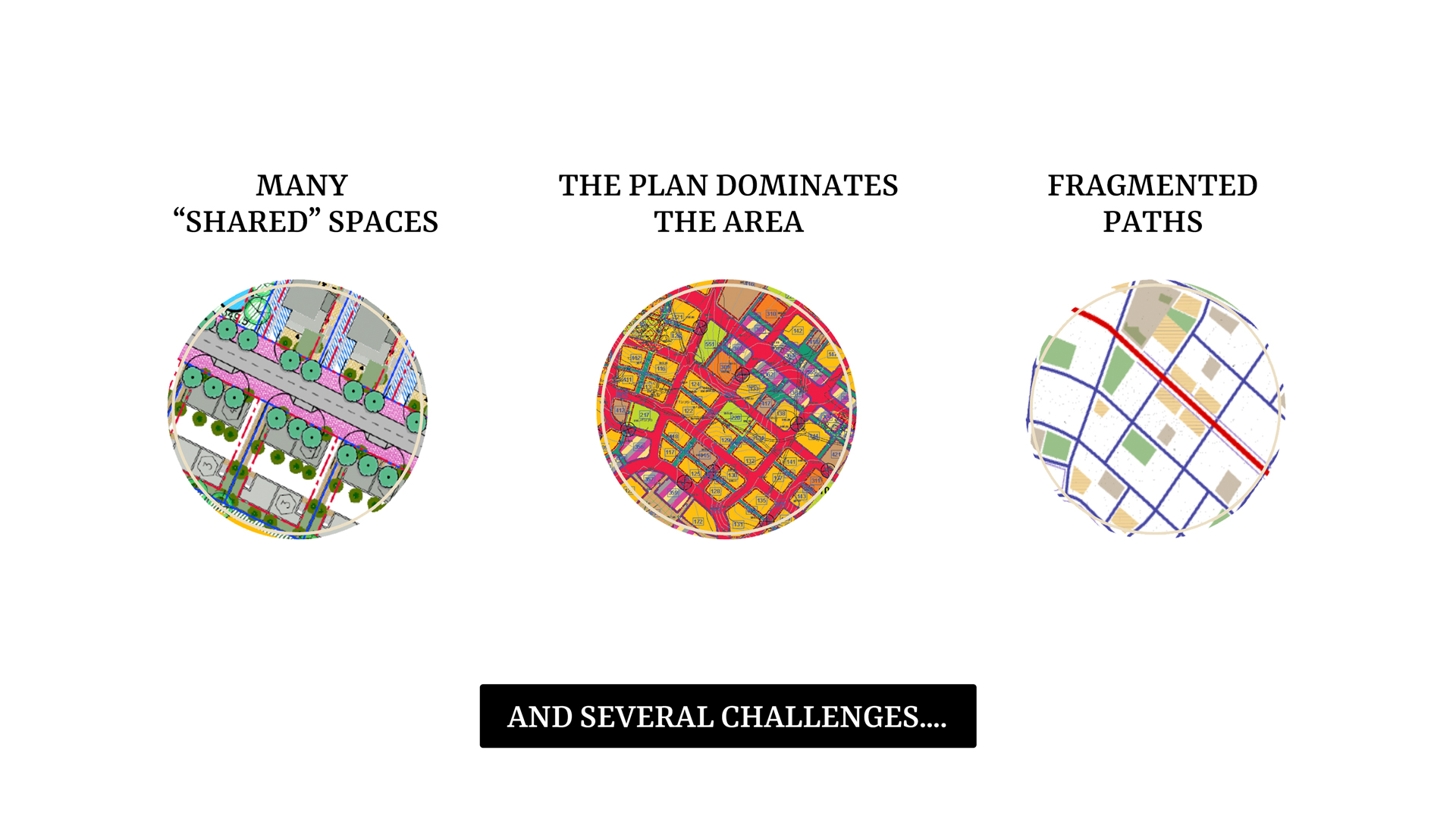
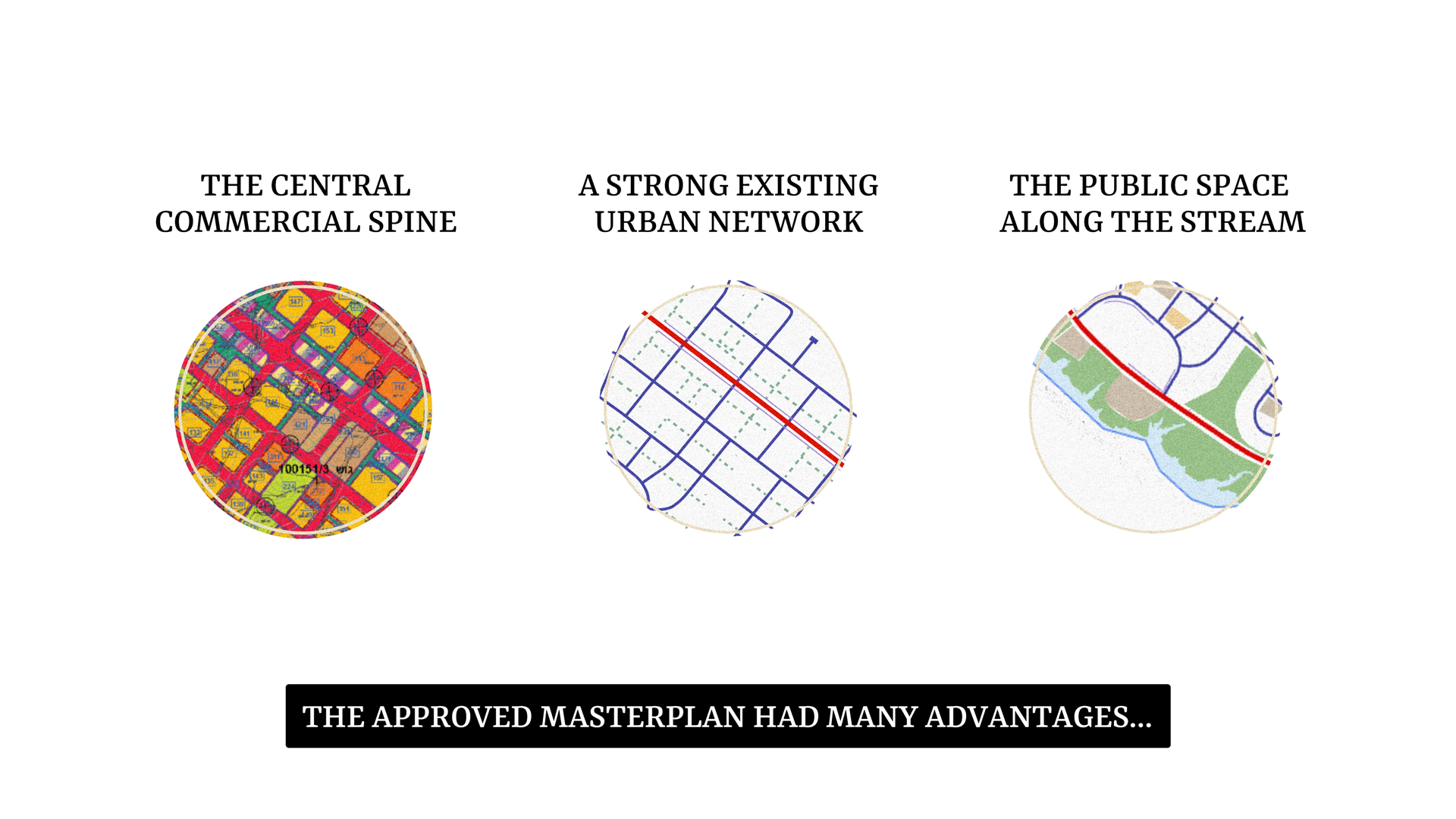
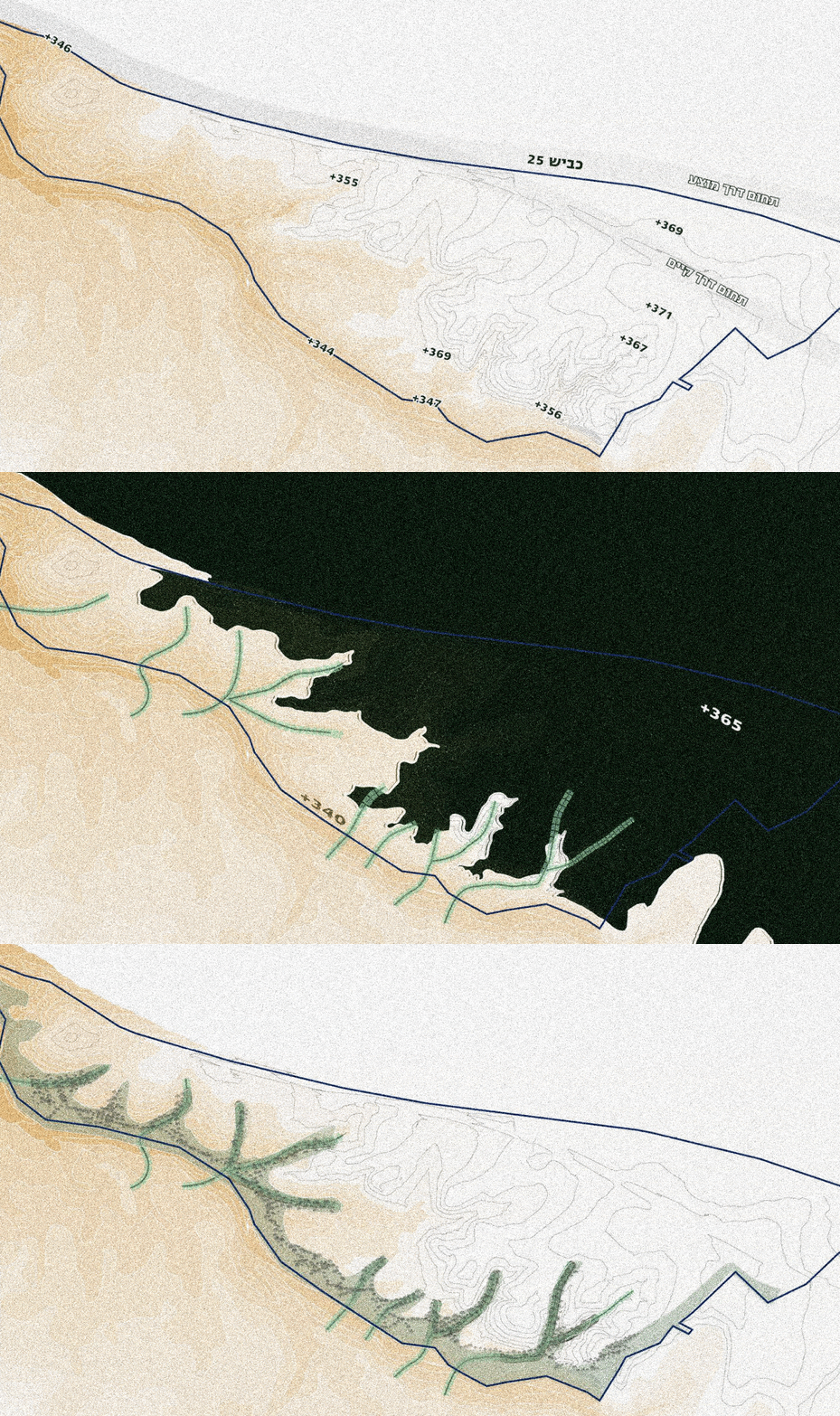
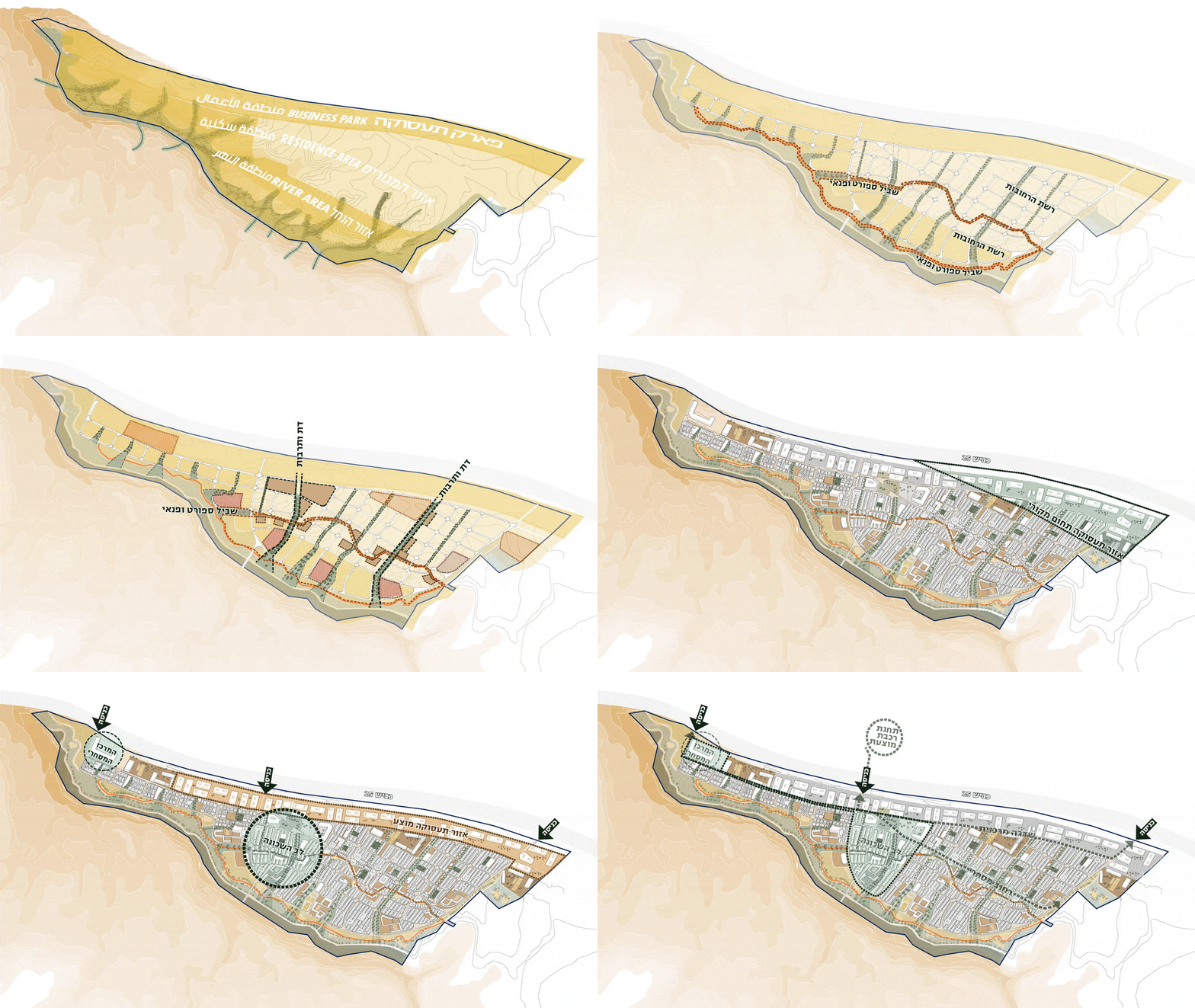
The Al-Bawadi plan proposes a flexible city for Bedouin society in the Negev, reflecting its cultural complexity, unique landscape that includes river channels, challenging climatic conditions, together with a sense of ongoing change. The new masterplan balances private and public life, tribal and communal needs, and nature with urban development. With a north–south layout and clear street hierarchy, the masterplan supports mixed uses, mobility, and addresses key issues like land ownership and shared space. The plan offers a flexible structure with diverse housing, land use, and mobility options, balancing adaptability with spatial and urban clarity. The urban grid presents different street types: a main commercial street, a public boulevard, and a work street. It’s arranged north to south with jobs in the north, homes in the middle, and schools and a park in the south. A landscape layer from the wadi creates shaded, connected paths throughout the city, encouraging safe walking and a new community-focused social life beyond traditional families. The design preserves a northwest-southeast wind corridor, with shaded streets, ventilated passages, and greenery for a pleasant microclimate, while narrow streets ensure safe, easy walking. The design thoughtfully integrates outdoor and communal spaces to enhance daily life and social interaction throughout the city. School areas provide shaded terraces and inner courtyards for rest and activities, while small informal shops near paths support seasonal and community initiatives, adding informal spaces beside the main streets. Overall, the Al-Bawadi master-plan will create a new dynamic, adaptable urban environment that honors tradition while embracing future growth, innovation and community well-being.
Project Architect: Haya Haj Yehia
Landscape Architect: Marina Parhomovsky
Team: Chemi Gera, Yarden Vaknin
Client: Zim Urban



Project Architect: Haya Haj Yehia
Landscape Architect: Marina Parhomovsky
Team: Chemi Gera, Yarden Vaknin
Client: Zim Urban

Balancing tradition and innovation through adaptable planning, social diversity, and environmental integration in the Negev.
The Al-Bawadi plan proposes a flexible city for Bedouin society in the Negev, reflecting its cultural complexity, unique landscape that includes river channels, challenging climatic conditions, together with a sense of ongoing change. The new masterplan balances private and public life, tribal and communal needs, and nature with urban development. With a north–south layout and clear street hierarchy, the masterplan supports mixed uses, mobility, and addresses key issues like land ownership and shared space. The plan offers a flexible structure with diverse housing, land use, and mobility options, balancing adaptability with spatial and urban clarity. The urban grid presents different street types: a main commercial street, a public boulevard, and a work street. It’s arranged north to south with jobs in the north, homes in the middle, and schools and a park in the south. A landscape layer from the wadi creates shaded, connected paths throughout the city, encouraging safe walking and a new community-focused social life beyond traditional families. The design preserves a northwest-southeast wind corridor, with shaded streets, ventilated passages, and greenery for a pleasant microclimate, while narrow streets ensure safe, easy walking. The design thoughtfully integrates outdoor and communal spaces to enhance daily life and social interaction throughout the city. School areas provide shaded terraces and inner courtyards for rest and activities, while small informal shops near paths support seasonal and community initiatives, adding informal spaces beside the main streets. Overall, the Al-Bawadi master-plan will create a new dynamic, adaptable urban environment that honors tradition while embracing future growth, innovation and community well-being.
Masterplan
1,320,000 m²
Negev, Israel
2025
Planning
Project Architect: Haya Haj Yehia
Landscape Architect: Marina Parhomovsky
Team: Chemi Gera, Yarden Vaknin
Client: Zim Urban